Introduction to Generative Art: When Algorithms Meet Aesthetics
code2art
2026-02-20
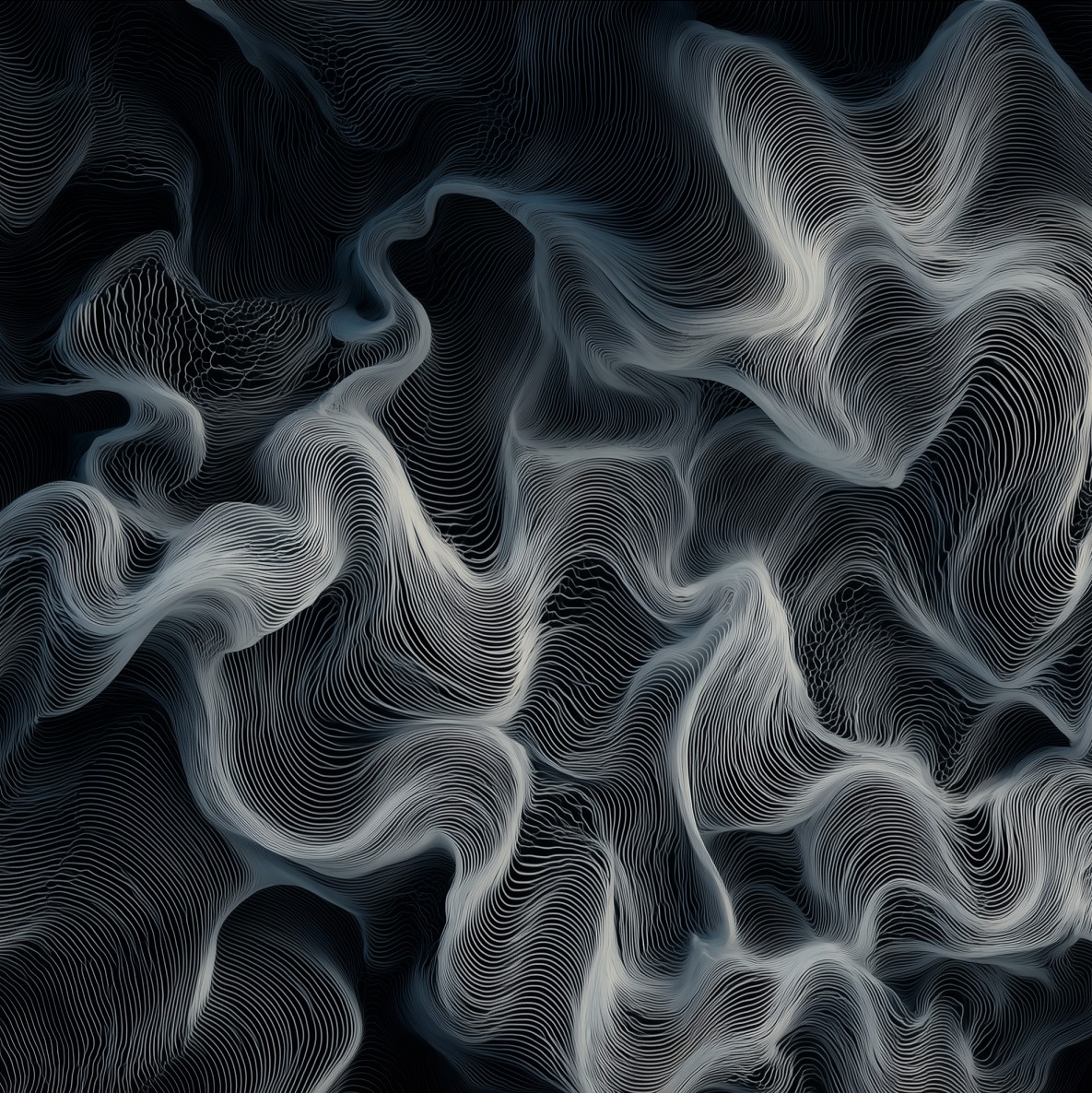
What is Generative Art?
Generative Art refers to artwork where the artist designs rules, algorithms, or systems, allowing the computer to participate in the creative process, ultimately producing visual, audio, or interactive works. The creator’s role shifts from “directly drawing every stroke” to “designing the rules that generate the work.”
“The artist creates the process, the process creates the work.” — Philip Galanter
Core Elements
- Balance between Randomness and Determinism — Pure randomness produces noise; pure determinism produces mechanical results. Good generative works find tension between the two.
- Iteration and Emergence — Simple rules, repeated many times, can give rise to complex structures, such as fractals and cellular automata.
- Parameter Space Exploration — Adjusting parameters is like traveling through an infinite space of possibilities, where each set of parameters corresponds to a unique piece of work.
Common Tools
| Tool | Language | Features |
|---|---|---|
| Processing | Java | Classic entry-level tool for generative art |
| p5.js | JavaScript | Web version of Processing, active community |
| TouchDesigner | Visual Nodes | First choice for real-time interaction and performances |
| Shader (GLSL) | C-like | GPU parallel computing, extreme performance |
A Minimal Example
Draw “breathing circles” with p5.js:
function setup() {
  createCanvas(600, 600);
  noStroke();
}

function draw() {
  background(20);
  for (let i = 0; i < 50; i++) {
    let x = random(width);
    let y = random(height);
    let r = sin(frameCount * 0.02 + i) * 20 + 25;
    fill(100, 180, 255, 80);
    ellipse(x, y, r);
  }
}
Every frame is different, yet a unified visual rhythm is maintained — that’s the charm of generative art.
Next Steps
- Browse community works on OpenProcessing and fork sketches that interest you
- Read Daniel Shiffman’s The Nature of Code
- Join the code2art community and explore the boundaries of algorithms and aesthetics with us